With COP27 drawing to a close, Oxfam Ireland is hopeful for the creation of a loss and damage financial facility to assist poorer countries effected by the climate crisis.
Oxfam Ireland has identified three pillars of climate change policy. The first is mitigation, policy ensures the world does not experience a further increase in temperature. The second is adaptation, which deals with countries’ strategies to adapt to effects of climate change.
The third pillar, which Oxfam Ireland draws focus to at the COP27, is loss and damage. This pillar focuses on financial aid to countries that require resources to deal with the devastating impact climate change has had on their countries.
Simon Murtagh, a senior research and policy coordinator for Oxfam Ireland, states that loss and damage is considered when “it is too late to adapt, so when the crisis has already struck”.
Murtagh points out the lack of commitment by wealthy nations to create policy to provide loss and damage payments.
“This has been looked at for over 30 years, but nothing has been agreed. There have been technical talks, but there has never been agreement on loss and damage formally.”
Murtagh draws attention to the need for COP27 addressing ‘loss and damage’ payments.
“It was the same at the conference last year. The media were announcing the effects were becoming really catastrophic.”
“We now need loss and damage urgently, more urgently than ever. The evidence is that these catastrophic events are only getting worse”
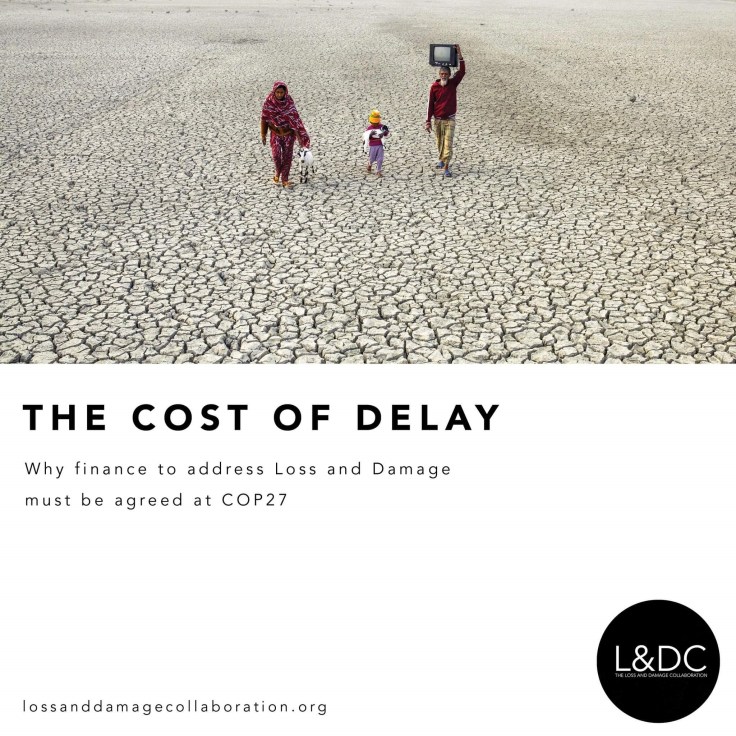
Oxfam Ireland and the Loss and Damage Collaboration have released a report titled ‘The Cost of Delay: Why Finance to Address Loss and Damage must be agreed at COP27.’
The report highlights rich countries’ continued stalling of efforts to dedicate finance, referred to as ‘loss and damage’ payments to developing countries that have been hit hardest by it.
Nafkote Dabi, Oxfam International Climate Policy Lead, echoes this stating that financial contributions by rich countries “fall miserably below their promised goal”.
Research conducted by Oxfam found that instruments such as loans are being reported deceptively, omitting the net value of support and repayment.
Loans constitute 70% of the provision of public climate finance ($48.6 billion). Ultimately worsening the debt crisis in developing countries.
Dabi states, “Rich countries are crippling their ability to cope with the next shock and deepening their poverty”.
In ‘The Cost of Delay’ report, Oxfam Ireland propose taxing energy, and other major industries, on windfall profits. This could help generate resources to help secure loss and damage payments.
Grants from a Loss and Damage Finance Facility could help countries struggling with the climate crisis by ensuring they are not placed into further debt.
Murtagh seems hopeful for real policy change at COP27 stating:
“Nearly everybody from the global south, including most of the governments, are pushing for this third pillar and for it to be established in a way that creates a funding facility to make that real at this conference.”
“It’s encouraging, Europe looks like it has got behind this.”
“Hopefully, we’re at the point where it’s not a question of if this happens, but how it happens.”
 Marius Writes Stuff for You?!
Leave a comment